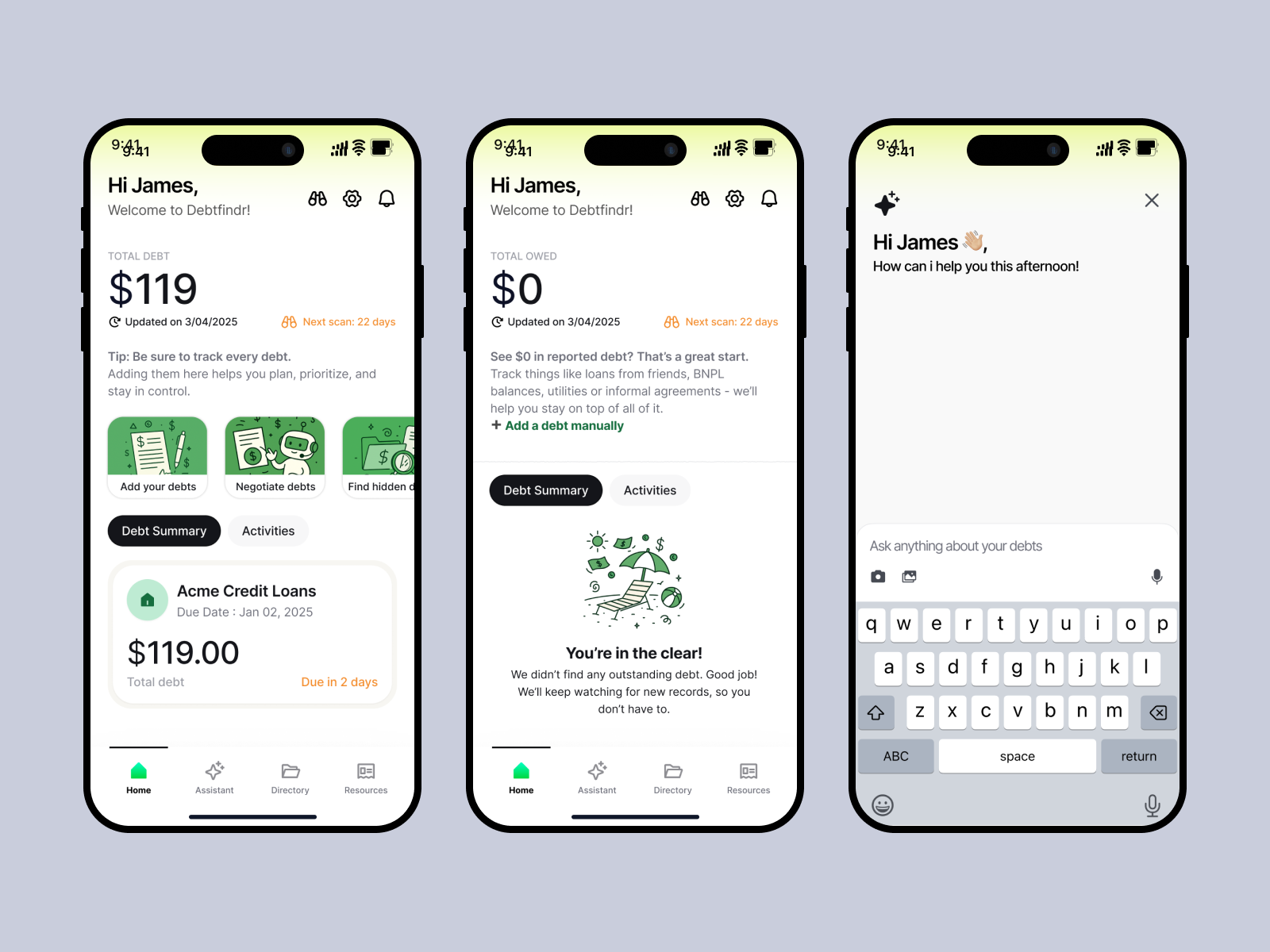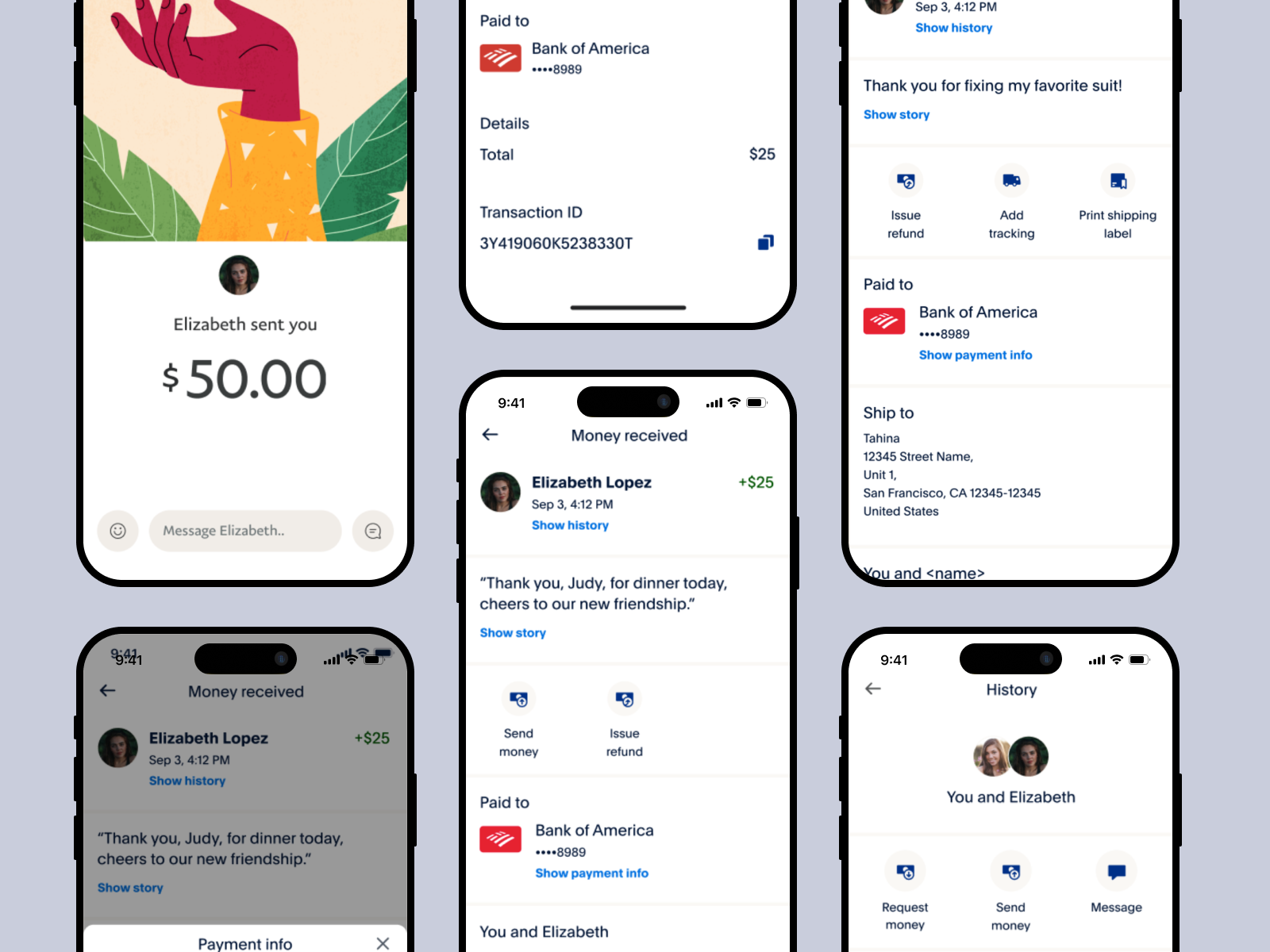
When PayPal began introducing artificial intelligence into its customer experience, the challenge wasn’t simply about automation. It was about trust. How could we ensure users felt confident interacting with an AI agent, especially when their money and regulatory information were on the line?
As Senior Design Lead on PayPal’s global compliance and AI experience team, I helped design the company’s first AI-powered assistant. This initiative aimed to reduce friction in customer support, simplify regulatory workflows, and increase efficiency while maintaining transparency and human oversight.
We started with a principle I often return to: design for clarity before intelligence. Every AI-driven interaction needed to feel intuitive, consistent, and explainable. I worked closely with product managers, engineers, and compliance teams to define how the AI would communicate decisions, display verification steps, and reference regulatory logic without overwhelming the user.
Our approach was rooted in responsible automation, the belief that AI must serve both the user and the business ethically. We designed an interface that made complex tax and identity verification tasks faster, but also gave users clear visibility into what the system was doing and why.
Impact:
- Reduced compliance resolution time by 40%
- Increased support satisfaction by 22%
- Established foundational AI design patterns used across PayPal and Venmo
Conclusion:
Designing an AI assistant wasn’t just about building another chatbot. It was about redefining what trust looks like in the age of automation. By blending empathy, explainability, and rigor, we built something that made complex compliance feel human, and that’s where real innovation begins.